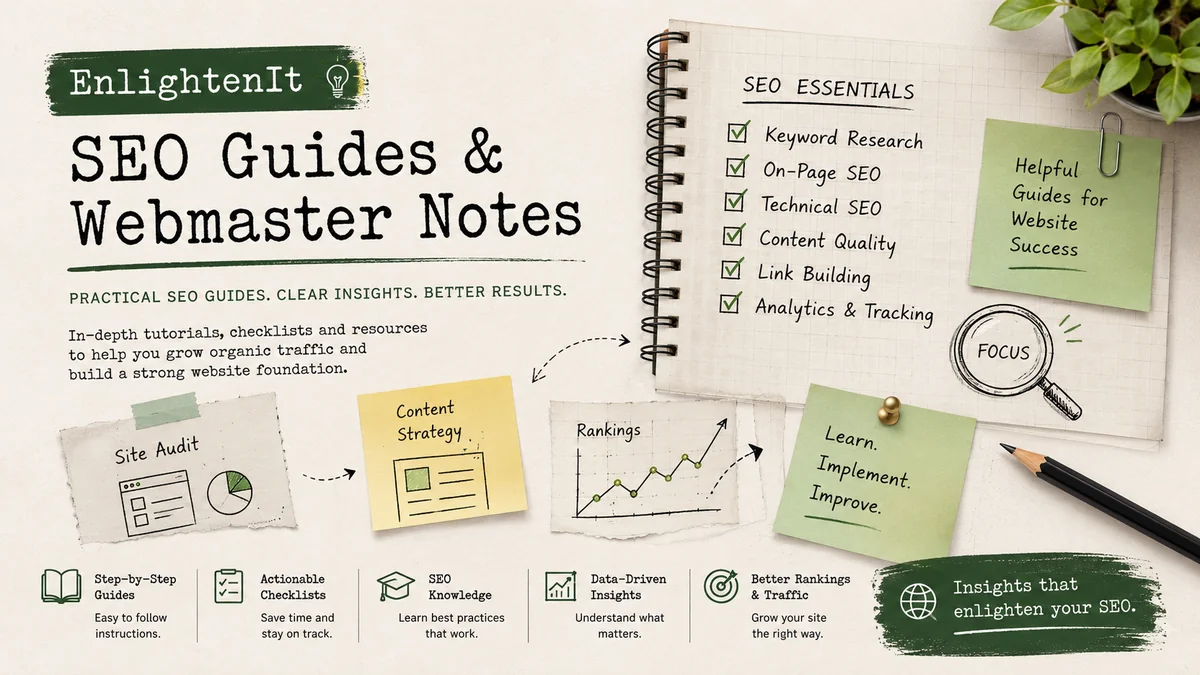
Pre-publish SEO quality assurance should catch problems that affect usefulness and discoverability without turning publication into a ritual of ticking boxes. The most valuable review asks whether the finished page serves its intended reader and whether the implementation supports that purpose.
Compare the draft with its original purpose
Return to the brief and check whether the page actually answers the intended question or decision. Drafts can drift as research and stakeholder edits accumulate. Remove material that distracts from the central job and fill genuine gaps before polishing details.
Verify factual and attributed claims
Check claims that depend on external facts, especially named research, product behaviour, regulation or time-sensitive information. Keep sources where verification materially helps the reader and remove unsupported authority rather than making it sound more confident.
Review headings as an information structure
Headings should help a reader understand how the explanation progresses. They do not need to repeat the target phrase. Look for vague labels, duplicated sections and jumps in logic that make the article harder to scan or understand.
Check links for purpose and destination
Open important internal and external links and confirm they lead where the surrounding text suggests. Anchor wording should describe the destination naturally. Remove decorative links that add no value or appear to exist solely for optimisation.
Inspect metadata in the context of the page
Ensure the title and description accurately represent the content rather than promising something the page does not deliver. Metadata should be specific enough to distinguish the page from neighbouring content and readable without awkward keyword repetition.
Read the page as a person, not a checklist
Finish with an uninterrupted read. Look for generic filler, unexplained jargon, abrupt calls to action and sentences written for algorithms rather than people. A page that passes every mechanical check can still fail if it is tedious or unhelpful to its audience.