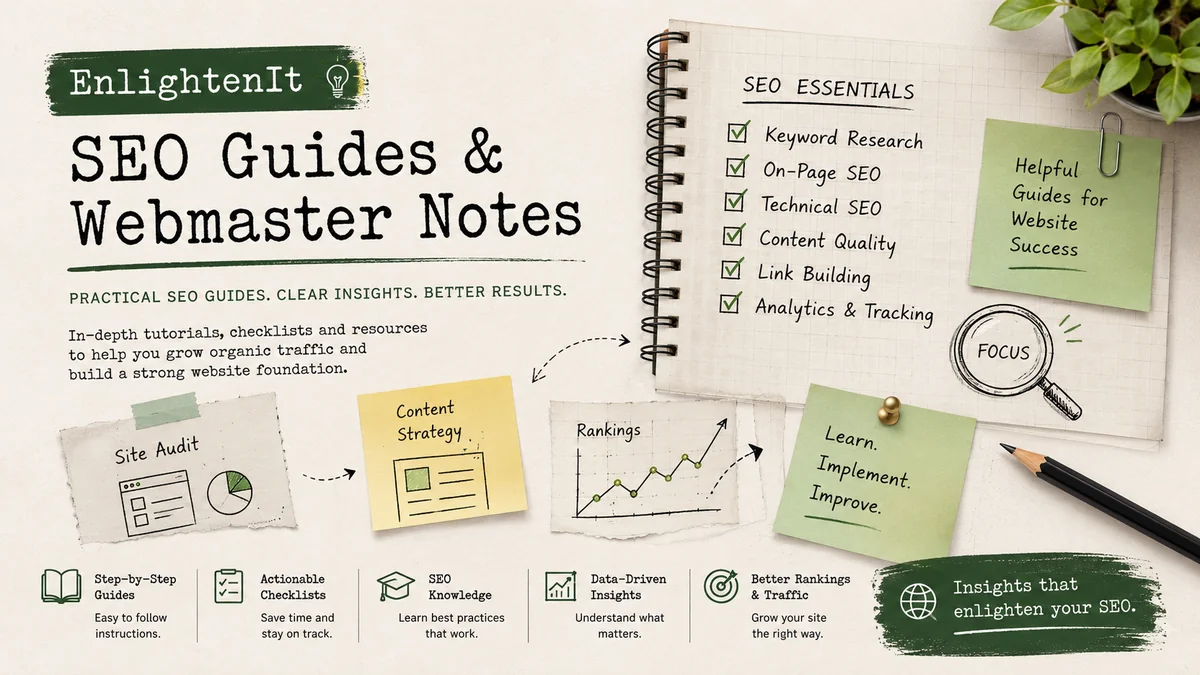
Improve Website Content for Better Rankings
When it comes to improving website content for better search engine rankings, understanding on-page SEO readiness is crucial. This involves assessing the individual elements that contribute to a website's overall optimisation, such as page structure, meta tags, and content quality.
Understanding On-Page SEO Readiness
A thorough analysis of on-page SEO readiness requires examining key areas including keyword density, content uniqueness, image optimisation, internal linking strategies, and mobile responsiveness. Effective use of header tags, concise paragraph length, and relevant alt text for images can also significantly enhance a website's readability and accessibility. Moreover, ensuring that page titles accurately reflect the content and that meta descriptions are compelling and informative is vital for enticing users to click through from search engine results pages.
Technical SEO Checks for a Solid Foundation
To establish a solid foundation for technical SEO, it's essential to conduct thorough checks on your website. Firstly, ensure that your site is mobile-friendly and has a responsive design, as this is now a key ranking factor. Next, verify your website's canonical URLs and meta tags to avoid duplication issues, and check that page titles and descriptions are accurate and concise. Additionally, inspect your site's crawlability by checking for any broken links or images, which can prevent search engines from crawling your content fully; address these issues promptly to improve your site's overall crawlability.
Search Optimisation Guides for Webmasters and Small Business Owners
For webmasters and small business owners looking to improve their website's content for better search engine rankings, a well-structured approach is essential. This involves conducting thorough keyword research to identify relevant terms and phrases that accurately reflect the site's content and target audience. The use of high-quality, engaging copywriting can also play a significant role in improving a website's SEO, as this will not only attract more traffic but also increase user engagement and dwell time. By incorporating meta descriptions, header tags, and internal linking into their content strategy, webmasters can help search engines better understand the site's structure and relevance, ultimately leading to improved rankings.
Keyword Research and Analysis for Optimal Content
- Identify your target audience and their search intent by using tools such as Google Keyword Planner or SEMrush to uncover relevant keywords.
- Analyse the competition for each keyword by examining the number of searches, competition level, and cost-per-click to determine opportunities for ranking improvement.
- Use keyword clustering techniques to group related keywords together, allowing you to create comprehensive content that targets multiple search terms at once.
- Evaluate keyword metrics such as search volume, difficulty level, and relevance to identify high-potential keywords that can drive more traffic and improve your website's visibility.
- Refine your keyword strategy by incorporating long-tail keywords, latent semantic indexing (LSI) keywords, and synonyms to create more targeted and nuanced content that better.
Optimising Meta Tags and Descriptions for Maximum Visibility
A small bakery in a busy town is looking to improve its online presence. The website currently has basic meta tags and descriptions, but the owner wants to increase visibility for its seasonal fruit cakes. After researching and optimising the content, they added relevant keywords such as "homemade fruit cake" and "local bakeries" to the page's meta title and description. This now allows customers searching online for similar products to see their bakery in the search results. As a result, the bakery has seen an increase in website traffic and orders during peak season.
To enhance the search engine optimisation potential of website content, it is essential to conduct thorough keyword research and incorporate relevant terms naturally throughout the text. Aiming for a keyword density of 1-2% can help avoid over-stuffing and ensure that the content remains readable and engaging. When selecting target keywords, consider not only their frequency in search queries but also their semantic meaning and contextual relevance to the website's subject matter. For instance, if a website specialises in selling outdoor gear, targeting long-tail keywords such as 'waterproof hiking boots' can provide more specific search traffic. Additionally, incorporating synonyms, related terms, and phrases can help create a richer semantic landscape for the content, making it easier for search engines to understand its meaning and context. By taking a thoughtful and nuanced approach to keyword selection and incorporation, website owners can improve their content's discoverability and increase its chances of ranking higher in search engine results pages.
For growing service firms, tools such as Servadra offer an efficient way to manage inbound enquiries without adding headcount.
Frequently Asked Questions
How to Conduct an On-Page SEO Audit?
To conduct an on-page SEO audit, start by reviewing your website's crawlable content, ensuring all pages are accessible and have a clear structure. Next, analyze the meta tags, titles, and descriptions for consistency and accuracy, then check for duplicate or thin content. Finally, assess your internal linking strategy to ensure a logical navigation flow.
What is the Importance of Mobile-Friendliness in Search Engine Rankings?
A mobile-friendly website is crucial for search engine rankings as it provides a better user experience on smaller screens, resulting in higher click-through rates and reduced bounce rates. Mobile-friendliness is now a key ranking factor, with many search engines prioritizing mobile-responsive websites in their algorithms.
Can I Use Schema Markup to Improve My Website's CTR?
Yes, schema markup can improve your website's CTR by providing context to search results and highlighting specific business details such as address, hours
As you strive to boost your website's online visibility, remember that technical SEO checks are crucial in ensuring crawlability and indexing for a seamless user experience. — Editor, EnlightenIt